How Do I Market CBD Online Without Making Health Claims?
Marketing CBD online is a balancing act: customers want clear answers, platforms and regulators scrutinize claims, and vague copy can undermine trust just as quickly as an unsupported promise. The solution isn’t to hide what you sell. It’s to explain the product, document what you can substantiate, and avoid suggesting that CBD treats, prevents, or cures a health condition.
That approach can be a growth advantage. In a skeptical market, trust is not just a compliance concern; it is part of the customer experience. A useful product page, easy-to-find lab results, and careful, specific language give shoppers reasons to keep evaluating your brand without relying on medical promises.
This guide covers practical claim free copywriting, product transparency, third-party validation, and the regulatory considerations behind marketing CBD online. It is educational information, not legal advice. Rules and platform policies can change, so have qualified counsel review your products and campaigns.
Why trust is a growth lever in a skeptical market
Many CBD shoppers arrive with questions: What is in this product? How much CBD does it contain? Has the product been tested? Is the seller making claims it can actually support? If your site answers these questions clearly, you reduce uncertainty and make it easier for a visitor to decide whether the product fits their preferences.
Trust is built through consistency. The claims in an ad should match the landing page, the label, and the supporting documentation. If an ad says “lab tested,” for example, shoppers should be able to find the relevant test report and understand what it covers. If product details change between channels, even an otherwise polished brand can appear unreliable.
Brands in the category, including Joy Organics, operate in an environment where customers often expect product and testing information before they buy. The general lesson is not to copy another company’s claims or presentation. It is to make your own evidence, policies, and product details easy to evaluate.
Understand the rules before writing the copy
FDA CBD rules: don’t imply an unapproved medical use
The FDA regulates products according to how they are presented and intended to be used. In the United States, CBD marketing deserves particular care because the legal and regulatory treatment can depend on the product type, ingredients, labeling, and claims. The FDA has warned companies about marketing CBD products with unsupported disease or treatment claims. Do not assume that a disclaimer will make a prohibited or misleading claim acceptable.
In practice, avoid language that says or implies a product diagnoses, treats, mitigates, cures, or prevents a disease. That includes direct statements such as “treats arthritis” and indirect suggestions created by disease names, before-and-after stories, symptom-focused testimonials, or images and context that point to a medical outcome. A statement can create a health claim even when it appears in a blog post, customer review, social caption, or influencer script rather than on the product label.
Be cautious with “structure/function” language, too. A phrase that sounds general may still imply a physiological benefit, depending on context and product category. Whether a particular claim is permitted can depend on details beyond wording alone. Get legal review rather than treating a list of “safe” phrases as a universal clearance.
FTC CBD enforcement: claims need evidence
The FTC focuses on advertising that is deceptive or unsubstantiated. Health-related claims can require strong scientific support, and the evidence must match the specific claim being made. The FTC’s CBD enforcement actions are a reminder that claims on websites, social media, podcasts, endorsements, and other marketing channels can all matter.
“Results may vary,” “not intended to diagnose,” or “this is not medical advice” does not automatically fix a misleading headline. Nor does a testimonial allow you to make a claim that your brand could not make directly. If you use testimonials or creator content, review the full message—including captions, visuals, spoken language, and any implied outcome—and ensure endorsements are disclosed clearly where required.
Build a proof-first product page
Proof-first UX means putting useful, verifiable information where customers need it, rather than asking them to trust broad brand language. It supports clearer decisions and can reduce repetitive customer-service questions. Start with facts you can document and present them in plain English.
- Product identity: State the product format, ingredients, serving or use directions as applicable, and relevant product specifications.
- CBD amount: Make the amount per serving and per container easy to understand. Avoid confusing shoppers with inconsistent units.
- Testing details: Explain who performed the testing, what batch or lot it covers, and where customers can access the report.
- Policies: Make shipping, returns, subscriptions, and customer support details easy to find.
- Limitations: Be transparent about what the product is and what your documentation does—and does not—establish.
Use descriptive links such as “View the lab report for this batch,” rather than a generic “Click here.” Make the file readable on mobile, identify the matching lot number, and avoid placing the report behind a signup wall. If a customer cannot tell whether a test result belongs to the item they are considering, the document may not provide much practical reassurance.
Use a Certificate of Analysis responsibly
A Certificate of Analysis (COA) is a third-party laboratory report that can provide information about a tested sample. Depending on the lab and testing panel, it may report cannabinoid content and other measured attributes. A COA is useful evidence, but it is not a blanket certification of product quality, safety, legality, effectiveness, or suitability for every consumer.
To make a COA genuinely useful, explain how customers can match it to a product lot and where they can find the date and lab information. Keep the report accessible and avoid summarizing it in a way that overstates what it says. If the report does not test for a particular substance or attribute, do not imply that it does.
A COA also does not substantiate a medical claim. A report showing measured CBD content cannot prove that a product treats anxiety, relieves pain, or produces another health outcome. Keep product testing and health-claim evidence conceptually separate in your marketing.
Third-party validation and certifications
Independent testing and relevant certifications can help customers assess a brand, but they should be described precisely. Explain what the third party evaluated, which products or business activities are covered, and whether the status is current. Avoid using a logo or certification language in a way that suggests broader approval than the organization actually provides.
LegitScript certification may be relevant for businesses seeking to meet certain platform or payment-provider requirements. Its applicability depends on the business, product, and current program criteria. Certification is not a substitute for regulatory compliance, legal review, or substantiation of advertising claims. Check the current requirements directly with LegitScript and with each platform or provider you plan to use.
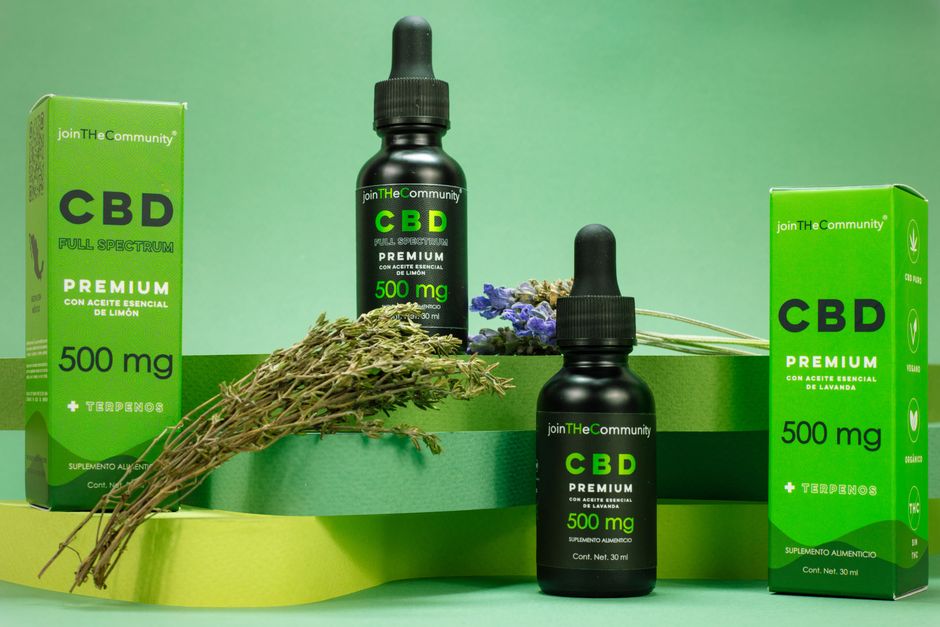
Similarly, do not describe a product as “FDA approved” unless that specific status is accurate and applicable. The existence of FDA rules or an FDA-compliant process does not mean the FDA has approved a CBD product. Use exact language and retain records that support any certification, testing, or compliance statement you publish.
Write claim-free copy that still sells
Claim free copywriting is not about making product pages lifeless. It is about emphasizing verifiable product attributes, customer service, and shopping experience instead of promising health outcomes. Strong copy can be specific without crossing into treatment language.
Riskier approach More careful direction Why it helps “CBD cures chronic pain.” Describe the product format, ingredients, and documented amount of CBD. Avoids a disease-treatment promise and focuses on verifiable details. “Sleep through the night with our oil.” Explain the product’s flavor, format, and how to read its serving information. Avoids implying a specific health or sleep outcome. “Clinically proven to calm anxiety.” Share relevant, properly reviewed information about the product and its testing without implying treatment. Prevents evidence from being stretched beyond what it supports. “Customers say it fixed their insomnia.” Use testimonials about service, delivery, packaging, or the buying experience, with appropriate disclosures. Reduces the risk of repeating an unsupported health claim through a testimonial.Safer copy can answer practical questions: What is the product made with? How is it packaged? What does the COA show? How can a customer contact you? What is your return policy? These details may sound less dramatic than a promised result, but they help shoppers compare products and understand what they are buying.

Audit every channel, not just the product page
Regulatory risk is not limited to the checkout page. Review paid ads, search snippets, email subject lines, organic social posts, affiliate content, creator scripts, FAQs, blog articles, and customer reviews you feature on your site. Search for disease names, symptom language, outcome guarantees, and images that might imply a treatment benefit.
- Create a claims inventory. List every product, ingredient, testing, certification, and performance statement used across your marketing.
- Record the support. Keep the source, test report, certification details, or other evidence attached to each factual claim.
- Check the context. Review headlines, visuals, testimonials, and nearby copy together. The overall impression matters.
- Review platform rules. Ad networks and payment providers may impose restrictions that differ from general advertising law.
- Schedule updates. Recheck claims when formulas, suppliers, reports, regulations, or platform policies change.
Platform approval should not be treated as proof that an ad is legally compliant. Likewise, a claim that appears on a competitor’s site is not evidence that it is permitted for your brand.
Turn compliance into a sustainable marketing advantage
The most durable CBD marketing strategy is built around accurate information and a low-friction path to verification. Make it easy to find product details, provide batch-relevant testing where available, describe third-party credentials narrowly, and remove language that implies unsubstantiated health outcomes. Then make sure every channel tells the same story.
When customers can inspect the evidence, compare products, and understand the limits of your claims, your brand earns credibility without asking for blind trust. That is the practical value of claim free copywriting: not less persuasive marketing, but persuasion grounded in clarity. Because FDA CBD rules, FTC CBD enforcement priorities, and platform requirements can evolve, have qualified legal counsel review your labeling and kartikahuja.com campaigns before publication.